
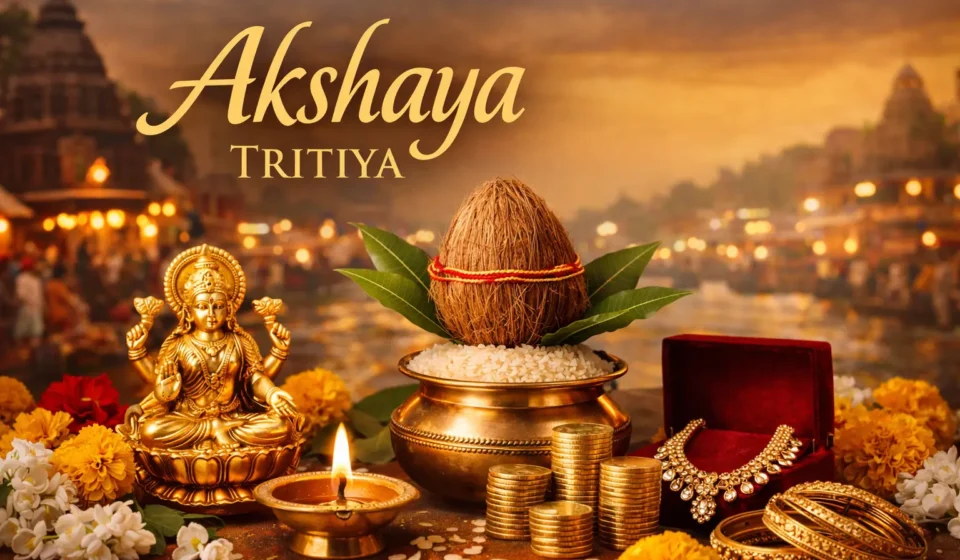

There is a particular kind of morning in India when the air feels quietly expectant, before markets open, before temples fill, before the day announces itself fully. On Akshaya Tritiya (Akha Teej), that feeling lingers a little longer.
It is not as loud as festival nights. There are no dramatic processions or bursting fireworks. Instead, there is a subtle, steady belief moving through homes, temples, and marketplaces alike: that what begins today does not fade easily.
The word Akshaya itself means that which never diminishes. And Tritiya marks the third day of the bright half of the lunar month of Vaishakha. Together, they form a moment in the calendar that people across India treat less like a celebration and more like an opening.
A Festival Without Urgency, Yet Full of Meaning
Unlike many Indian festivals that build toward a peak moment, Akshaya Tritiya unfolds gently.
There is no strict ritual that everyone must follow. No single story that defines it entirely. And yet, across regions and traditions, people arrive at the same instinct: begin something today.
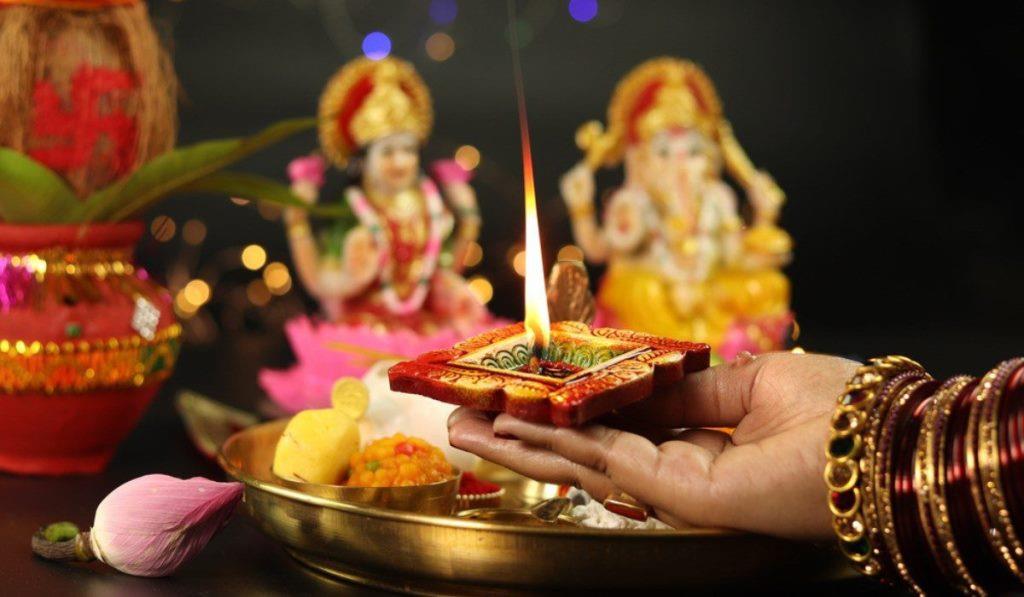
In some homes, it is as simple as buying a small gold coin. In others, it is the day a new business ledger is opened. Farmers may mark it as the beginning of a new agricultural cycle. Families may choose it for weddings, investments, or long-postponed decisions.
What ties all of these together is not tradition alone, but timing. A shared understanding that certain days carry a quiet alignment.
Stories That Flow Beneath the Day
Akshaya Tritiya is not bound to one narrative; it is layered with many.
In the epic of the Mahabharata, it is believed that the Akshaya Patra, a vessel that never ran empty, was granted to the Pandavas on this day, ensuring they would always have food during their exile.
In another thread, this day is associated with Lord Vishnu, particularly in his form as Parashurama, whose birth is also said to fall on Akshaya Tritiya.
In many parts of India, the sacred river Ganga is believed to have descended to Earth around this time, turning the act of giving, bathing, and offering into something deeply symbolic.
These stories are not always retold in full. They exist in fragments, in conversations, in rituals, in inherited memory. And yet, they shape how the day is felt.
| Primary Date | Sunday, April 19, 2026 |
| Lunar Timing | Vaishakha, Shukla Paksha Tritiya |
| Core Meaning | Akshaya (Imperishable/Eternal) + Tritiya (Third Lunar Day) |
| Key Rituals | Annadan (food charity), Gold/Silver purchase, starting new ventures |
| Spiritual Links | Birth of Lord Parashurama, Descent of River Ganga, Akshaya Patra |
Gold, But Not Just Gold
If you step into any jewellery market on Akshaya Tritiya, the pattern is unmistakable.
Families are browsing quietly. Shopkeepers offering sweets. Small purchases are being treated with the same reverence as large ones.

Gold, on this day, is not just a commodity. It is seen as a placeholder for continuity. Something that holds value not only in price but in meaning, passed from one generation to the next.
But the essence of the day has never been limited to gold.
In many households, people invest in land, start savings, donate food, or simply make a decision they have been postponing. The belief is not in what you buy, but in what you begin.
A Day Without a Muhurat
One of the most distinctive aspects of Akshaya Tritiya is that it is considered universally auspicious.
There is no need to consult a priest for timing. No need to wait for the “right hour.” The entire day is treated as favourable.
In a culture where timing often dictates action, this is rare. It simplifies things. It removes hesitation. It quietly tells people: if you’ve been waiting, today is enough.
How India Experiences Akshaya Tritiya
The experience of Akshaya Tritiya shifts as you move across India.
In cities, it is visible in gold showrooms and digital investment platforms announcing special offers. In smaller towns, it is quieter, marked by temple visits, simple meals, and acts of giving.
In some regions, people donate grains, clothes, or water. In others, they perform puja for prosperity and well-being. Farmers may treat it as the beginning of sowing preparations, aligning the festival with the rhythm of the land.
What remains constant is not the activity, but the intention.
The Quiet Power of “Beginning”
There is something psychologically powerful about a day like this. Not because it guarantees outcomes, but because it removes doubt.
Akshaya Tritiya offers a cultural permission to act. It transforms hesitation into movement. Whether it is opening a business, making an investment, or simply committing to a new path, the day carries a shared belief that effort started now will endure.
And that belief, more than anything else, is what sustains the tradition.
Why Akshaya Tritiya Still Matters Today
In a world driven by speed, deadlines, and constant decision-making, Akshaya Tritiya introduces a different rhythm.
It does not demand celebration. It does not insist on performance. It simply offers alignment, a moment where intention and action feel naturally connected.
Even today, people who may not follow every ritual still participate in some way. A small purchase. A quiet prayer. A decision was finally made.
Because at its core, the festival is not about religion alone. It is about continuity. About choosing to begin.
Frequently Asked Questions About Akshaya Tritiya
Q1. When is Akshaya Tritiya in 2026?
In 2026, Akshaya Tritiya will be observed on Sunday, April 19, 2026.
The Tritiya Tithi (third lunar day) is expected to begin in the early hours and continue through a significant part of the day, which is why most people will observe rituals, purchases, and new beginnings on April 21 itself.
Q2. Why is Akshaya Tritiya considered so auspicious?
Akshaya Tritiya is believed to be a day when any शुभ (auspicious) activity brings lasting results. The word Akshaya means “never diminishing,” which is why actions performed on this day, whether spiritual, financial, or personal, are thought to grow over time rather than fade.
Q3. Is there a specific muhurat (timing) for Akshaya Tritiya?
No, and that is what makes this day unique.
Unlike most Hindu festivals, the entire day of Akshaya Tritiya is considered auspicious, so there is no need to wait for a specific muhurat. People can perform rituals, make purchases, or start new ventures at any convenient time during the day.
Q4. Why do people buy gold on Akshaya Tritiya?
Buying gold on Akshaya Tritiya is rooted in the belief that wealth acquired on this day multiplies and brings long-term prosperity.
Gold, being a symbol of stability and value in Indian culture, becomes a natural choice, but the deeper idea is about starting something that endures, not just purchasing metal.
Q5. Can I start a business or new work on Akshaya Tritiya?
Yes, and many people do. Akshaya Tritiya is considered one of the best days to:
- Start a business
- Launch a project
- Make financial investments
- Begin something long planned
The belief is simple: what begins today carries forward without decline.
Q6. Is Akshaya Tritiya only about wealth and money?
Not entirely. While financial prosperity is a visible aspect, the festival also emphasises:
- Charity (दान)
- Gratitude
- Spiritual growth
In many traditions, donating food, water, or essentials is considered just as important, if not more, than buying gold.
Do people celebrate Akshaya Tritiya differently across India?
Yes, the expression changes, but the essence remains the same. In some regions, it is marked by temple visits and rituals. In others, it aligns with agricultural cycles. Urban India often associates it with investments and gold buying, while rural traditions may focus more on land, farming, and giving.